Posted on

Exploring Next-Gen Testbanks Complete Learning Spaces

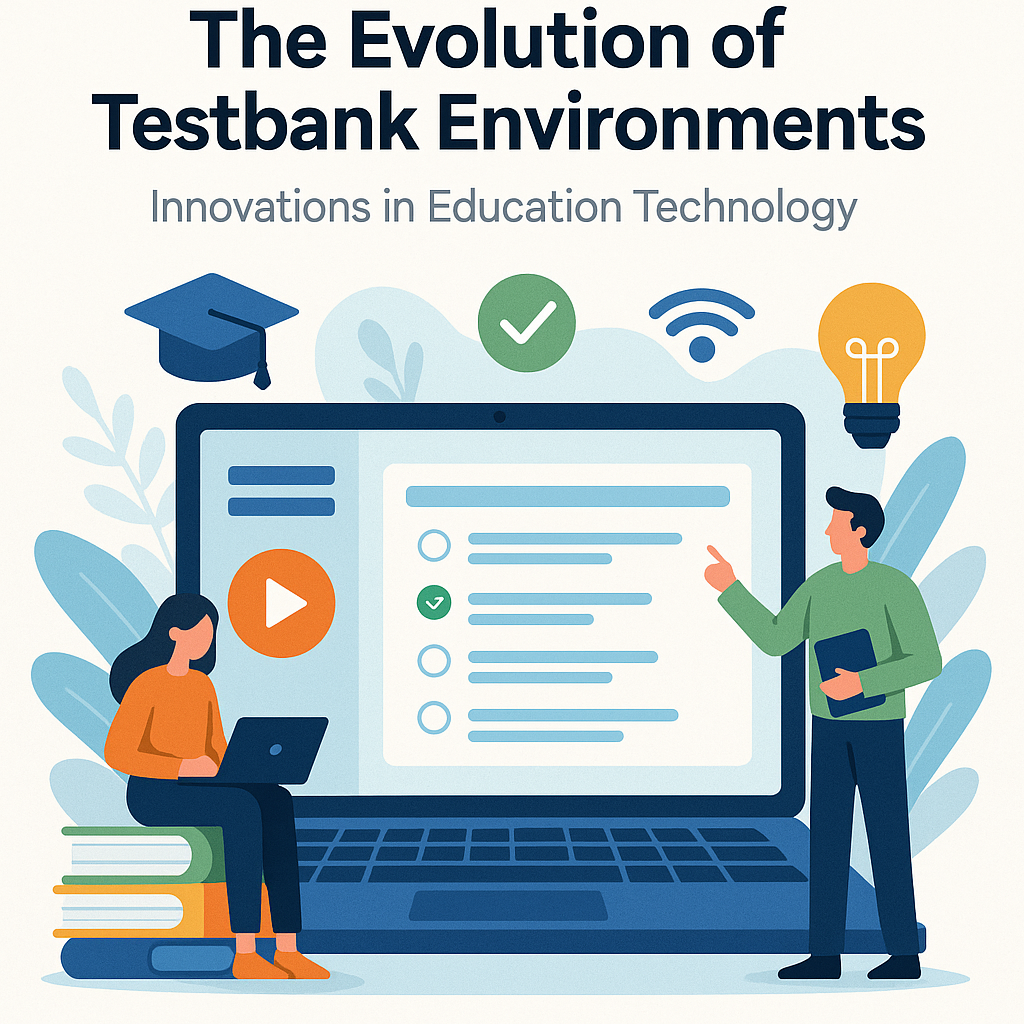
In the rapidly evolving landscape of education technology, Testbank has consistently been at the forefront, providing invaluable resources for students and educators alike. The latest generation of Testbank is set to revolutionize the way we approach learning by introducing fully built learning environments. This article delves into the evolution of Testbank environments, explores the innovations in its learning ecosystem, highlights the key features of this latest generation, and examines how Testbank enhances educational experiences. As we navigate through these advancements, it’s clear that Testbank is not just a tool, but a comprehensive educational partner.

Exploring the Evolution of Testbank Environments

The journey of Testbank began with a simple yet powerful objective: to provide students with a repository of practice questions and study materials. Initially, Testbank environments were primarily text-based, offering a wide range of questions across various subjects. As technology advanced, so did the capabilities of Testbank. The integration of multimedia elements, such as videos and interactive graphics, marked a significant shift in how students interacted with the material. This evolution was driven by the need to cater to diverse learning styles and to make the learning experience more engaging.

Over the years, Testbank has continuously adapted to the changing educational landscape. The introduction of mobile-friendly platforms allowed students to access Testbank resources anytime, anywhere, further enhancing its utility. The environments have grown from static repositories to dynamic platforms that facilitate active learning. This evolution has been fueled by feedback from educators and learners, ensuring that Testbank remains relevant and effective in meeting educational needs.

The next generation of Testbank takes this evolution a step further by integrating fully built learning environments. These environments are not just about accessing information; they are about creating immersive learning experiences. By leveraging the latest in educational technology, Testbank is poised to offer a holistic approach to learning that goes beyond traditional study methods. As we explore these advancements, it becomes evident that Testbank is setting new standards in educational resources.

The evolution of Testbank environments is a testament to the platform’s commitment to innovation and quality. From its humble beginnings to its current status as a comprehensive educational tool, Testbank has consistently prioritized the needs of its users. This dedication to continuous improvement ensures that Testbank remains a valuable asset in the educational journey of students worldwide. For more information on Testbank’s offerings, visit online-testbank.com.

Innovations in Testbank’s Learning Ecosystem

The latest innovations in Testbank’s learning ecosystem are transforming the way students engage with educational content. One of the most significant advancements is the integration of artificial intelligence (AI) to personalize learning experiences. AI-driven algorithms analyze student performance and learning patterns to provide customized study plans. This personalization ensures that students focus on areas where they need the most improvement, optimizing their study time and enhancing learning outcomes.

Another groundbreaking innovation is the incorporation of virtual and augmented reality (VR/AR) into Testbank’s learning environments. These technologies create immersive experiences that make complex concepts more accessible and engaging. For example, students studying anatomy can explore 3D models of the human body, gaining a deeper understanding of the subject matter. By making learning more interactive, Testbank is helping students retain information more effectively.

Collaboration tools are also a key component of the new Testbank ecosystem. Students can now engage in real-time discussions, share resources, and work on group projects within the platform. This collaborative approach fosters a sense of community and encourages peer-to-peer learning, which has been shown to enhance comprehension and retention. By facilitating communication and collaboration, Testbank is creating a more connected and supportive learning environment.

Testbank’s commitment to innovation is evident in its continuous efforts to integrate the latest educational technologies. By staying ahead of the curve, Testbank ensures that its users have access to cutting-edge tools and resources. These innovations are not just about making learning more efficient; they are about transforming education into an engaging, interactive, and personalized experience. To explore these innovations further, visit online-testbank.com.

Key Features of the Latest Testbank Generation

The latest generation of Testbank is packed with features designed to enhance the learning experience. One of the standout features is the adaptive learning technology, which tailors content to individual student needs. This technology assesses a student’s strengths and weaknesses and adjusts the difficulty and focus of study materials accordingly. By providing a customized learning path, Testbank ensures that each student can progress at their own pace and achieve their academic goals.

Interactive simulations are another key feature of the new Testbank generation. These simulations provide hands-on learning experiences that are both educational and engaging. For instance, students studying physics can experiment with virtual lab setups, observing real-time results of their actions. This experiential learning approach allows students to apply theoretical knowledge in practical scenarios, deepening their understanding of complex subjects.

The latest Testbank also includes comprehensive analytics and reporting tools for educators. These tools provide insights into student performance, helping educators identify areas where students may be struggling. With this information, teachers can offer targeted support and interventions, ensuring that no student is left behind. The ability to track progress and measure outcomes is invaluable in creating effective teaching strategies.

Testbank’s commitment to accessibility is reflected in its user-friendly interface and compatibility with various devices. Whether on a desktop, tablet, or smartphone, Testbank’s resources are easily accessible, ensuring that students can study anytime and anywhere. This flexibility is crucial in today’s fast-paced world, where students need the ability to learn on the go. For a detailed look at these features, visit online-testbank.com.

How Testbank Enhances Educational Experiences

Testbank’s comprehensive approach to learning goes beyond traditional study methods, offering an enriched educational experience. By providing a diverse range of resources and tools, Testbank caters to different learning styles and preferences. Whether a student learns best through visual aids, interactive simulations, or collaborative discussions, Testbank has something to offer. This versatility ensures that all students can find resources that resonate with their learning style, enhancing their overall educational experience.

The integration of technology into the Testbank platform not only makes learning more engaging but also more effective. The use of AI, VR/AR, and adaptive learning technologies means that students receive personalized and immersive educational experiences. These technologies help students grasp complex concepts more easily and retain information more effectively. By making learning more interactive and personalized, Testbank is helping students achieve better academic outcomes.

Testbank also plays a crucial role in supporting educators. With access to detailed analytics and reporting tools, teachers can gain valuable insights into student performance. This information allows educators to tailor their teaching strategies to meet the needs of their students, providing more effective support and interventions. By empowering teachers with data-driven insights, Testbank is enhancing the quality of education and helping educators make informed decisions.

Ultimately, Testbank is transforming the educational landscape by providing a comprehensive and integrated learning environment. By combining cutting-edge technology with a diverse range of resources, Testbank is enhancing the educational experience for both students and educators. As we continue to explore the possibilities of education technology, Testbank remains a leader in innovation and quality. For more information on how Testbank is enhancing educational experiences, visit online-testbank.com.

The next generation of Testbank represents a significant leap forward in the realm of education technology. By creating fully built learning environments, Testbank is not only meeting the needs of today’s students but also setting the stage for the future of education. From personalized learning paths to immersive simulations, Testbank is redefining what it means to study and learn. As we look to the future, it’s clear that Testbank will continue to play a pivotal role in shaping the educational experiences of students worldwide. For a deeper dive into Testbank’s offerings and to explore its latest features, visit online-testbank.com.

Posted on

Access Your College Testbank Instantly for Study Aid

Download Your College Testbank for Immediate Use

In the fast-paced world of higher education, students are constantly seeking resources that can enhance their learning experience and improve their academic performance. Testbanks have emerged as a valuable tool for college students, providing a structured way to review and test their knowledge. This article explores the significance of testbanks, the benefits of downloading them instantly, how students can access these resources, and the importance of ensuring ethical use.

Understanding the Role of Testbanks in College

Testbanks are collections of exam questions and answers that are often used by instructors to create tests and quizzes. They typically align with the content of textbooks and cover various topics within a course. For students, testbanks serve as an essential resource for exam preparation, offering a wide range of questions that help reinforce learning. By practicing with testbank questions, students can identify their strengths and weaknesses, which allows them to focus their study efforts more effectively.

In addition to helping with exam preparation, testbanks can also aid in reinforcing classroom learning. As students work through testbank questions, they are encouraged to apply the concepts they have learned in lectures and readings. This practical application of knowledge helps to deepen understanding and retention. Moreover, by exposing students to potential exam questions, testbanks can reduce anxiety and build confidence, as students become more familiar with the types of questions they may encounter.

Another critical role of testbanks is to provide a benchmark for self-assessment. By attempting questions from a testbank, students can gauge their level of preparedness and determine whether they need to review certain topics further. This self-assessment is invaluable in helping students set realistic goals and manage their time effectively, ensuring they are well-prepared for exams.

Lastly, testbanks can serve as a collaborative tool among students. Study groups often use testbanks to quiz each other, discuss answers, and clarify doubts. This collaborative learning process not only enhances understanding but also fosters a sense of community and support among peers. By sharing insights and approaches to problem-solving, students can benefit from diverse perspectives and improve their overall academic performance.

Benefits of Downloading Testbanks Instantly

One of the most significant benefits of downloading testbanks instantly is the convenience it offers. With immediate access to a wealth of questions and answers, students can begin their exam preparation without delay. This is particularly advantageous during busy periods, such as midterms and finals, when time is of the essence. Instant downloads eliminate the need to wait for physical copies or rely on library resources, which may be limited or unavailable.

Another benefit of instant testbank downloads is the flexibility they provide. Students can access testbanks from anywhere and at any time, whether they are studying at home, in a coffee shop, or during a commute. This flexibility allows students to incorporate testbank practice into their study routine seamlessly, making it easier to fit exam preparation into a busy schedule. Moreover, digital testbanks can be accessed on various devices, including laptops, tablets, and smartphones, offering students a versatile and adaptable learning resource.

Instant downloads also ensure that students have access to the most up-to-date and relevant testbank materials. As courses and textbooks are updated, so too are the corresponding testbanks. By downloading the latest versions, students can be confident that they are practicing with questions that reflect the current curriculum and exam expectations. This alignment with course content is crucial for effective exam preparation and success.

Finally, downloading testbanks instantly can be cost-effective. Many online platforms, such as online-testbank.com, offer affordable or free access to testbanks, making them accessible to a wide range of students. By providing an economical alternative to expensive study guides and tutoring services, instant testbank downloads can help students achieve academic success without breaking the bank.

How to Access Testbanks for Immediate Use

Accessing testbanks for immediate use is a straightforward process that begins with identifying a reliable source. Websites like online-testbank.com offer a wide selection of testbanks, organized by subject and textbook. To get started, students should first determine the specific testbank they need by identifying the relevant course, textbook edition, and author. This information ensures that the downloaded testbank aligns with their course content.

Once the appropriate testbank has been identified, students can proceed to download it by following the instructions provided on the website. Most platforms offer a simple and user-friendly download process, often requiring students to create an account and complete a purchase or registration form. After completing these steps, the testbank is typically available for immediate download in a digital format, such as a PDF or Word document.

To make the most of downloaded testbanks, students should organize the materials in a way that complements their study habits. This may involve creating folders on their devices for different subjects or courses, labeling files clearly, and bookmarking frequently used sections. By keeping their digital testbanks organized, students can quickly locate and access the resources they need, streamlining their study process.

It is also important for students to familiarize themselves with the features of the downloaded testbank. Many testbanks include various question types, such as multiple-choice, true/false, and short answer, as well as detailed explanations for each answer. Understanding how to navigate and utilize these features can enhance the effectiveness of testbank practice and improve overall learning outcomes.

Ensuring Ethical Use of Downloaded Testbanks

While testbanks are a valuable resource for students, it is crucial to use them ethically to maintain academic integrity. The primary purpose of testbanks is to serve as a study aid, not as a means to gain an unfair advantage. Students should refrain from using testbank questions to cheat on exams or assignments, as this undermines the educational process and can have serious consequences, including disciplinary action.

To ensure ethical use of testbanks, students should focus on using them as a tool for self-assessment and practice. This involves attempting to answer questions independently before consulting the provided answers and explanations. By doing so, students can genuinely assess their understanding and identify areas where they need further study. Additionally, discussing testbank questions with peers in a study group can promote collaborative learning and ethical engagement with the material.

Instructors also play a role in promoting the ethical use of testbanks by setting clear guidelines for their use. Educators can encourage students to view testbanks as a supplement to their studies rather than a substitute for attending lectures, completing assignments, and engaging with course materials. By fostering an environment that values academic honesty, instructors can help students understand the importance of using testbanks responsibly.

Finally, students should be mindful of copyright laws and respect the intellectual property rights of authors and publishers. This means avoiding the unauthorized sharing or distribution of testbank materials, whether online or offline. By adhering to copyright regulations and using testbanks in a manner consistent with academic integrity, students can ensure they are contributing to a fair and honest educational environment.

In conclusion, testbanks are a powerful tool for college students, offering numerous benefits for exam preparation and learning reinforcement. By downloading testbanks instantly, students can enjoy the convenience, flexibility, and cost-effectiveness of digital resources. However, it is essential to access and use these materials ethically, ensuring that they serve as an honest aid in the pursuit of academic success. By doing so, students can maximize the potential of testbanks while upholding the principles of integrity and fairness in their educational journey.

Posted on

Exploring the Benefits of Testbank PDFs as School Textbooks

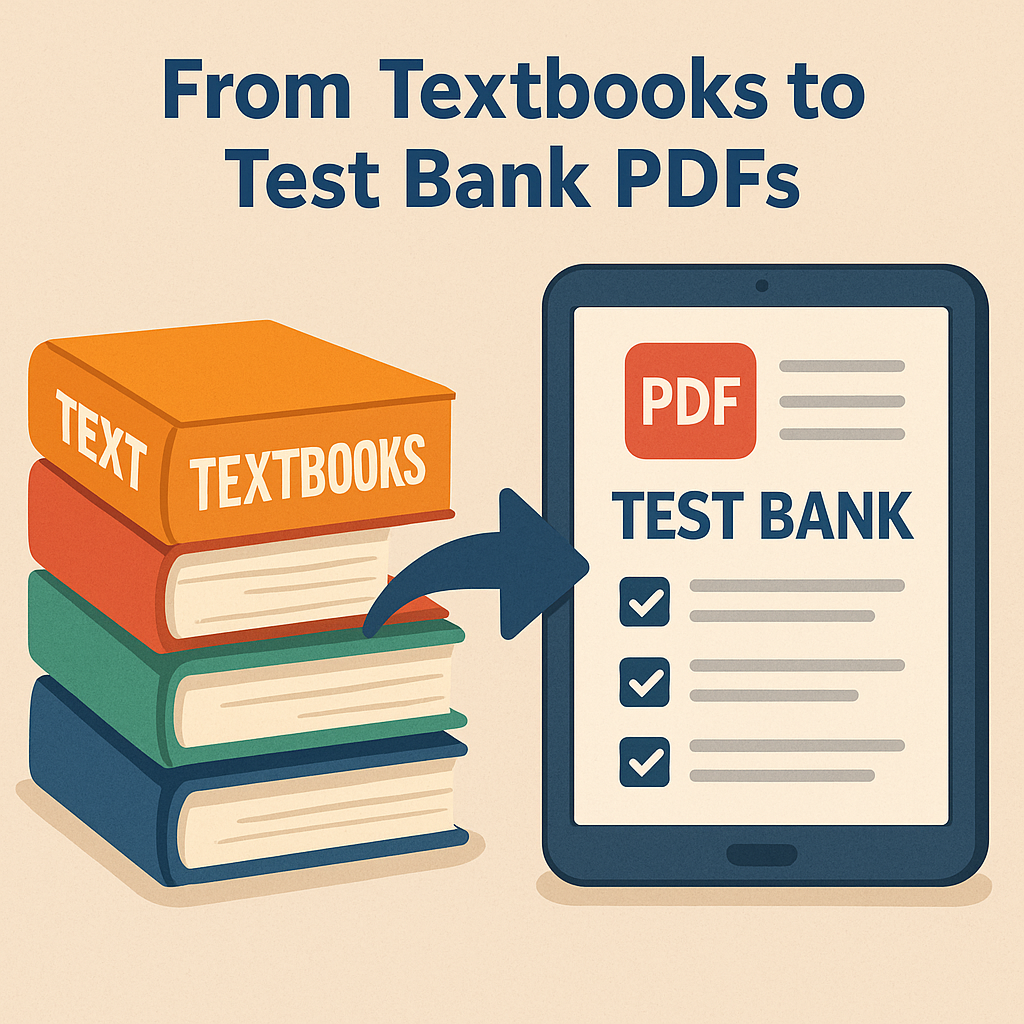
In the dynamic landscape of educational resources, the way students and educators approach learning materials is continuously evolving. Traditional textbooks, once the staple of classroom learning, are increasingly being supplemented or replaced by digital resources. Among these, Testbank PDFs have emerged as a compelling alternative, offering a blend of accessibility, cost-effectiveness, and interactive learning opportunities. This article delves into why Testbank PDFs are gaining traction as the best textbooks for schools and how they are reshaping the educational experience for students and teachers alike.

Exploring the Rise of Testbank PDF Textbooks

The shift towards digital learning tools has been steadily gaining momentum, with Testbank PDFs at the forefront of this transformation. As schools and educational institutions strive for more efficient and engaging ways to deliver content, Testbank PDFs have become an attractive option. These digital textbooks are easily accessible and can be downloaded from platforms like online-testbank.com, providing a wealth of resources at the fingertips of students and educators.

One of the primary drivers of the rise of Testbank PDFs is the increasing integration of technology in classrooms. With the proliferation of tablets, laptops, and smart devices, students are more inclined to use digital formats for their studies. Testbank PDFs cater to this trend by being compatible with various devices, ensuring that students can access their learning materials anytime and anywhere, thus enhancing the learning experience.

Moreover, the economic aspect cannot be overlooked. Testbank PDFs are often more cost-effective compared to traditional textbooks. They eliminate the need for physical production, shipping, and storage, which significantly reduces costs. This affordability makes them an appealing choice for schools operating on tight budgets and for students who might otherwise struggle to afford expensive textbooks.

Finally, the rise of Testbank PDFs can be attributed to the evolving preferences of modern learners. Today’s students are digital natives, accustomed to interactive and multimedia-rich content. Testbank PDFs often incorporate features such as hyperlinks, embedded videos, and interactive quizzes, which align with the learning styles of contemporary students, making them a favored choice over conventional textbooks.

Advantages of Using Testbank PDFs in Schools

The advantages of using Testbank PDFs in educational settings are manifold. First and foremost is the aspect of accessibility. Unlike traditional textbooks that are limited by physical availability, Testbank PDFs can be accessed by multiple users simultaneously, ensuring that all students have equal access to the same learning materials. This democratization of resources is crucial in promoting equitable education.

Another significant advantage is the ease of updating content. In rapidly evolving fields such as science and technology, the ability to quickly revise and update educational materials is invaluable. Testbank PDFs can be updated with the latest information and redistributed efficiently, ensuring that students always have access to the most current knowledge without having to wait for new editions of printed textbooks.

Furthermore, Testbank PDFs offer enhanced interactivity. They often include features such as interactive quizzes and problem sets that provide instant feedback, allowing students to assess their understanding in real-time. This interactive approach not only makes learning more engaging but also helps students retain information more effectively.

Lastly, from an environmental perspective, Testbank PDFs are a sustainable alternative to printed textbooks. By reducing the need for paper production and physical distribution, schools can significantly minimize their carbon footprint. This aligns with the growing emphasis on sustainability in educational practices, making Testbank PDFs an environmentally responsible choice.

Comparing Testbank PDFs to Traditional Textbooks

When comparing Testbank PDFs to traditional textbooks, several key differences emerge. One of the most obvious is the format. Traditional textbooks offer a tactile experience that some students and educators still prefer. However, Testbank PDFs provide a level of portability and convenience that physical books cannot match, as they can be stored and accessed on a single device.

In terms of content delivery, Testbank PDFs have a distinct advantage. They can incorporate multimedia elements such as videos, animations, and interactive diagrams, which can cater to different learning styles and enhance comprehension. Traditional textbooks, while comprehensive, often lack these dynamic elements and rely solely on text and static images to convey information.

Cost is another crucial factor in this comparison. Traditional textbooks can be expensive, not only in terms of initial purchase but also in maintenance and replacement costs over time. Testbank PDFs, on the other hand, offer a more affordable solution, as they do not incur printing or distribution costs. This economic efficiency makes them an attractive option for both schools and students.

Lastly, the ability to personalize and annotate is a feature where Testbank PDFs excel. Students can highlight, take notes, and bookmark sections directly within the PDF, allowing for a personalized learning experience. While some traditional textbooks offer space for notes, they lack the flexibility and ease of use that digital annotation tools provide.

How Testbank PDFs Enhance Student Learning

Testbank PDFs have a profound impact on student learning by offering a range of features that support diverse educational needs. One of the key ways they enhance learning is through adaptability. Students can adjust the text size, search for specific terms, and access additional resources through embedded links, catering to various learning preferences and needs.

These digital textbooks also promote active learning. With features like interactive quizzes and problem-solving exercises, students are encouraged to engage with the material actively rather than passively reading. This engagement helps students to better understand and retain the information, leading to improved academic outcomes.

Additionally, Testbank PDFs facilitate collaborative learning. Many platforms allow for sharing and collaborative annotation, enabling students to work together on assignments or study sessions, even when they are not physically together. This fosters a sense of community and collaboration, which is essential for developing teamwork skills that are valuable in both academic and professional settings.

Finally, Testbank PDFs support self-paced learning. Students can progress through the material at their own speed, spending more time on challenging concepts and quickly moving through areas they find easier. This flexibility allows students to tailor their learning journey to their individual needs and capabilities, fostering a more personalized and effective educational experience.

In conclusion, Testbank PDFs represent a significant advancement in educational resources, offering a modern, efficient, and interactive alternative to traditional textbooks. Their rise in popularity is driven by the increasing integration of technology in education, the demand for more accessible and cost-effective learning materials, and the evolving preferences of digital-native students. By enhancing accessibility, interactivity, and adaptability, Testbank PDFs are not only leveling the playing field for students but also paving the way for a more engaging and personalized learning experience. As educational institutions continue to embrace digital transformation, Testbank PDFs stand out as a forward-thinking solution that aligns with the needs of 21st-century learners.

Posted on

Cut College Costs: Download Testbank for Textbooks

The rising cost of college textbooks has become a significant concern for students across the globe. With the financial strain that comes with tuition fees, accommodation, and other academic expenses, finding ways to save money on textbooks has become essential. One alternative that is gaining popularity is downloading testbanks. This article explores the cost of college textbooks, the role of testbanks as a resource, and how students can safely and legally download them to save money.

Exploring the Cost of College Textbooks Today

The cost of college textbooks has seen a dramatic increase over the past few decades. According to recent studies, the average student spends over $1,200 annually on textbooks and supplies. This surge in prices is partly due to the frequent release of new editions and the bundling of books with digital content that students may not necessarily need. As a result, many students find themselves struggling to afford the required materials for their courses, leading them to seek alternative ways to access the information they need.

Publishers argue that these high costs are justified by the need to cover the expenses of producing high-quality educational content. However, the burden of these costs falls squarely on students, who are already dealing with mounting educational expenses. The resale value of textbooks has also diminished, as new editions render older copies obsolete, further exacerbating the financial strain on students.

In response to these challenges, open educational resources (OER) and digital alternatives have been introduced. However, while they offer some relief, they are not yet universally adopted or available for all subjects. This gap in accessibility leaves room for other cost-saving measures, such as testbanks, to emerge as viable options for students.

As students navigate the financial landscape of higher education, understanding the true cost of textbooks and exploring alternative resources becomes crucial. By being informed about the expenses associated with college textbooks, students can make more strategic decisions about how to allocate their resources effectively.

Understanding Testbanks as a Resource Option

Testbanks are collections of exam questions and answers that are often used by instructors to design tests and quizzes for their courses. These resources are typically aligned with specific textbooks and provide a comprehensive overview of the material covered in a course. While traditionally used by educators, students have begun to recognize the value of testbanks as a study aid.

For students, testbanks offer a unique insight into the types of questions that may appear on exams, allowing them to focus their study efforts more effectively. By reviewing these questions, students can identify key concepts and areas where they need to improve their understanding. Testbanks also provide a practical way to test one’s knowledge and prepare for assessments in a structured manner.

However, it is important to approach testbanks with caution. Not all testbanks are created equal, and the quality and accuracy of the content can vary significantly. Students should seek reputable sources to ensure that they are accessing reliable material that aligns with their course curriculum.

For those interested in exploring testbanks as a resource option, it is essential to understand both the potential benefits and limitations. By doing so, students can make informed decisions about how to integrate testbanks into their study routine and maximize their academic success.

Steps to Download Testbanks Safely and Legally

Downloading testbanks can be a valuable resource for students, but it is crucial to do so legally and safely. The first step is to identify reputable websites that offer legitimate testbank downloads. One such site is online-testbank.com, which provides a wide range of testbanks for various subjects and textbooks.

Before downloading any testbank, students should verify the credibility of the source. Checking reviews and ratings from other users can provide insight into the reliability of the website. Additionally, ensuring that the site complies with copyright laws and offers legal downloads is essential to avoid potential legal issues.

Once a reputable source has been identified, students should follow the download instructions carefully. This often involves creating an account, selecting the desired testbank, and proceeding with the download process. It is important to read any terms and conditions associated with the download to ensure compliance with the site’s policies.

By taking these steps, students can safely and legally access testbanks that will aid in their studies. Doing so not only protects them from potential legal repercussions but also ensures that they are using high-quality resources to support their academic endeavors.

Evaluating the Financial Benefits of Testbanks

The financial benefits of using testbanks can be significant for students. By accessing testbanks, students can reduce or eliminate the need to purchase expensive textbooks, thereby saving a considerable amount of money each semester. This cost-saving measure can alleviate some of the financial burdens associated with higher education.

Testbanks provide a focused approach to studying, allowing students to concentrate on the most relevant material for their exams. This targeted study method can lead to improved academic performance, which may translate into better grades and increased scholarship opportunities. As a result, students may find themselves in a stronger financial position overall.

In addition to direct cost savings, testbanks can also contribute to a more efficient use of study time. By providing a clear framework for what to study, students can allocate their time more effectively, reducing the need for additional resources and study aids. This efficiency can lead to a more balanced academic life, freeing up time for work or other activities that generate income.

Ultimately, the financial benefits of using testbanks extend beyond just saving money on textbooks. By enhancing study effectiveness and academic performance, testbanks can contribute to a more financially sustainable college experience. As students become more aware of these benefits, the use of testbanks is likely to continue to grow as a popular resource in higher education.

As the cost of college textbooks continues to rise, students must explore alternative resources to manage their educational expenses effectively. Testbanks present a promising option, offering both financial savings and academic support. By understanding how to access testbanks safely and legally, students can enhance their study efforts and improve their financial situation. As more students turn to testbanks, their role as a valuable academic resource is likely to expand, providing a viable solution to the ongoing challenge of textbook affordability.

Posted on

Testbanks Mirror Paper Textbooks Word for Word

In the evolving landscape of education, resources like testbanks and textbooks play pivotal roles in shaping learning experiences. A growing observation within academic circles is the similarity in content between testbanks and their corresponding paper textbooks. This article delves into this phenomenon by analyzing the content of testbanks and textbooks, comparing them word-for-word, exploring their identical text, and understanding the role of testbanks in education.

Analyzing the Content of Testbanks and Textbooks

Testbanks are collections of questions and answers designed to accompany textbooks, often used by instructors to formulate exams and quizzes. In contrast, textbooks are comprehensive resources that provide detailed explanations, theories, and context on a subject. Both resources aim to enhance understanding, yet they serve slightly different purposes. The main objective of testbanks is to test students’ knowledge and application skills, whereas textbooks aim to impart comprehensive knowledge and understanding of the subject matter.

When analyzing the content of these two resources, it becomes apparent that they share a significant amount of material. This overlap is intentional, as testbanks are often designed to directly complement the textbooks they accompany. The questions found in a testbank are typically derived from the key concepts and information presented in the textbook. This ensures that the assessments are relevant and aligned with the learning objectives outlined in the textbook.

Furthermore, the structure of testbanks often mirrors that of textbooks. The chapters or sections in a textbook are usually reflected in the organization of the testbank, making it easier for instructors to select questions that correspond to specific parts of the textbook. This alignment helps in maintaining consistency in the educational material, ensuring that students are tested on what they have been taught.

The content similarity between testbanks and textbooks also highlights the collaborative efforts of authors and publishers who work to create a cohesive educational package. By ensuring that the testbank content aligns with the textbook, educators can provide a more streamlined and effective learning experience. For more details on testbanks, visit Online Testbank.

Word-for-Word Comparison: Testbanks vs Textbooks

A word-for-word comparison between testbanks and textbooks reveals intriguing insights into their relationship. In many cases, the language used in testbanks is directly lifted from the corresponding textbook. This verbatim overlap is not only a matter of convenience but also a strategy to maintain consistency and clarity across educational resources. By using the same language, educators can ensure that the assessments accurately reflect the material students are expected to learn.

This word-for-word similarity is particularly prevalent in multiple-choice questions, where the phrasing of questions and possible answers often echoes the textbook. This practice helps students make direct connections between what they read and what they are tested on. It also reduces the potential for confusion, as the terminology and phrasing remain consistent throughout the learning process.

However, while the similarity in language is beneficial for consistency, it also raises questions about originality and diversity in assessment. Some educators argue that relying too heavily on textbook language in testbanks may limit the scope of evaluation, as students might only be tested on their ability to recall information rather than apply it in novel contexts. This highlights the need for a balanced approach, where testbanks incorporate both textbook-based questions and those that challenge students to think critically.

Despite these concerns, the word-for-word correspondence between testbanks and textbooks remains a common practice in educational publishing. It underscores the importance of alignment between teaching materials and assessments, ensuring that students are evaluated on the core concepts they are expected to learn. For more information on the use of testbanks, visit Online Testbank.

Identical Text: Exploring Testbank and Textbook Similarities

The identical text found in testbanks and textbooks is a testament to their intertwined nature. This similarity is not coincidental; rather, it is a deliberate choice made by educators and publishers to create a seamless educational experience. By ensuring that the language and content are consistent across both resources, students can benefit from a more integrated learning process.

One of the primary reasons for this identical text is the collaborative efforts between textbook authors and testbank creators. Often, the same team or individuals involved in writing the textbook are also responsible for developing the testbank. This collaboration ensures that the testbank questions are directly relevant to the textbook content, providing a coherent and unified educational package.

Moreover, the identical text also serves as a tool for reinforcing learning. By encountering the same language in both the textbook and testbank, students can reinforce their understanding of key concepts and terminology. This repetition aids in retention and helps students to internalize the material more effectively. It also provides a clear framework for educators to assess students’ comprehension and mastery of the subject matter.

While the use of identical text in testbanks and textbooks has its advantages, it also raises questions about the diversity of assessment methods. Some educators advocate for a more varied approach, incorporating different types of questions and assessment techniques to evaluate students’ critical thinking and problem-solving skills. However, the consistent use of identical text remains a prevalent practice, reflecting the ongoing collaboration between textbook and testbank developers. For further exploration of testbanks, visit Online Testbank.

Understanding the Role of Testbanks in Education

Testbanks play a crucial role in the educational landscape, serving as valuable tools for both instructors and students. For educators, testbanks provide a ready-made resource for creating assessments that are aligned with the textbook content. This saves time and effort in test preparation, allowing instructors to focus on teaching and facilitating learning.

For students, testbanks offer an opportunity to practice and apply their knowledge in a structured manner. By working through testbank questions, students can assess their understanding of the material and identify areas where they may need further study. This self-assessment is an essential component of the learning process, enabling students to take an active role in their education.

The role of testbanks extends beyond mere assessment; they also serve as a bridge between theoretical knowledge and practical application. By providing questions that challenge students to think critically and apply what they have learned, testbanks help to develop higher-order thinking skills. This is particularly important in subjects that require problem-solving and analytical abilities.

In conclusion, testbanks are integral to the educational experience, offering benefits for both educators and students. Their alignment with textbooks ensures consistency in learning, while their role in assessment supports the development of critical thinking skills. As educational resources continue to evolve, the relationship between testbanks and textbooks remains a key factor in shaping effective teaching and learning strategies. To learn more about the role of testbanks, visit Online Testbank.

In summary, the word-for-word similarity between testbanks and textbooks is a deliberate and strategic choice aimed at enhancing the educational experience. By analyzing their content, comparing them directly, and exploring their identical text, we gain a deeper understanding of their interconnected roles. As education continues to evolve, testbanks and textbooks will undoubtedly remain central to effective teaching and learning, providing a foundation for knowledge acquisition and skill development.

Posted on

Testbank: A Cost-Effective Alternative to College Textbooks

In the realm of higher education, the cost of learning materials is a significant concern for students and their families. Traditional college textbooks often come with hefty price tags that can strain budgets and limit access to necessary resources. In recent years, alternative solutions like Testbank have emerged as more affordable options for students. This article delves into the cost differences between Testbank and regular college textbooks, examining the affordability and budget-friendly nature of Testbank as a learning resource.

Comparing Costs: Testbank vs. College Textbooks

When comparing the costs of Testbank and traditional college textbooks, the difference is striking. College textbooks are notoriously expensive, with prices for a single book often exceeding $200. These costs can quickly add up over a semester or academic year, especially when students are required to purchase multiple books for different courses. In contrast, Testbank offers a more affordable alternative, with access to a wide range of study materials at a fraction of the cost. This price disparity is a critical factor for students looking to manage their educational expenses effectively.

Testbank provides students with comprehensive study guides, practice exams, and other educational resources that align with their course requirements. These materials are typically available through a subscription model, allowing students to pay a nominal fee for access to all the resources they need. This approach contrasts sharply with the traditional model, where students must purchase each textbook individually, often without the option to return or resell them at a reasonable price. The financial burden of purchasing new editions each semester is also alleviated by Testbank’s model.

Moreover, the cost-effectiveness of Testbank is further enhanced by its digital nature, which eliminates printing and distribution expenses associated with physical textbooks. This digital format not only reduces costs but also provides students with instant access to materials, enhancing their ability to study efficiently and effectively. The streamlined access to educational content supports a more flexible learning experience, catering to the diverse needs of modern students.

For a detailed comparison of Testbank’s offerings and pricing, you can visit Online Testbank. This resource provides a comprehensive overview of the options available to students seeking affordable study materials.

Affordability of Testbank: A Closer Look

A closer examination of Testbank’s affordability reveals several factors contributing to its cost-effectiveness. One of the primary advantages is the subscription-based model, which allows students to access a wide array of resources without incurring the high costs associated with purchasing individual textbooks. This model not only reduces the upfront financial burden but also offers flexibility in terms of access duration and content selection.

Testbank’s affordability is further amplified by its commitment to providing up-to-date and relevant study materials. Unlike traditional textbooks, which may require frequent new editions to stay current, Testbank can update its digital resources in real-time, ensuring that students always have access to the most relevant information. This approach eliminates the need for students to repeatedly purchase new editions, significantly reducing their overall educational expenses.

Additionally, Testbank’s affordability is supported by its diverse range of offerings, which cater to various learning styles and academic needs. By providing a comprehensive suite of study aids, including practice tests and interactive quizzes, Testbank enables students to tailor their study experience to their individual preferences and requirements. This personalized approach not only enhances learning outcomes but also maximizes the value of the subscription.

To explore the full range of affordable study solutions offered by Testbank, visit Online Testbank. This platform provides an in-depth look at how Testbank can support students in achieving their academic goals without breaking the bank.

Testbank’s Price Advantage Over Traditional Texts

The price advantage of Testbank over traditional textbooks is evident in several key areas. First and foremost, the subscription model employed by Testbank allows students to access a vast library of resources for a single, manageable fee. This contrasts with the traditional textbook model, where students must purchase each book separately, often at significant expense.

Furthermore, the digital nature of Testbank resources means that there are no additional costs associated with printing or distribution. This not only reduces the overall price of the materials but also ensures that students can access them instantly and conveniently from any device. The elimination of physical barriers to access is a significant advantage in today’s fast-paced, digital learning environment.

Testbank also offers a competitive edge by providing a wide range of supplementary materials that are often not included with traditional textbooks. These resources, such as practice exams and study guides, are invaluable for students seeking to reinforce their understanding of course content. By bundling these materials into a single subscription, Testbank delivers exceptional value for money.

For those interested in exploring Testbank’s price advantages further, Online Testbank offers a detailed breakdown of available resources and pricing options. This information can help students make informed decisions about their educational investments.

Budget-Friendly Learning: Testbank’s Appeal

Testbank’s appeal lies in its ability to deliver budget-friendly learning solutions without compromising on quality or effectiveness. For students facing financial constraints, Testbank offers a viable alternative to expensive textbooks, enabling them to access essential study materials without incurring prohibitive costs. This accessibility is crucial for ensuring that all students have the opportunity to succeed academically.

The affordability of Testbank is complemented by its user-friendly platform, which makes it easy for students to navigate and utilize the available resources. The intuitive design and comprehensive search features allow students to quickly find the materials they need, saving them time and effort. This efficiency is particularly beneficial for students balancing academic responsibilities with other commitments.

In addition to its cost and convenience, Testbank’s appeal is strengthened by its adaptability to different learning styles. The platform offers a variety of study aids, including visual aids, interactive quizzes, and practice exams, which cater to diverse preferences and enhance the overall learning experience. This versatility ensures that students can engage with the material in a way that suits their individual needs.

To experience the budget-friendly benefits of Testbank firsthand, students can explore the offerings at Online Testbank. This resource provides a comprehensive overview of how Testbank can support students in achieving their academic objectives affordably and effectively.

In conclusion, Testbank presents a compelling alternative to traditional college textbooks by offering a more affordable and flexible approach to accessing educational resources. With its subscription-based model, digital accessibility, and diverse range of study aids, Testbank addresses the financial challenges faced by many students today. By choosing Testbank, students can invest in their education without the burden of excessive textbook costs, ultimately enhancing their academic experience and success.